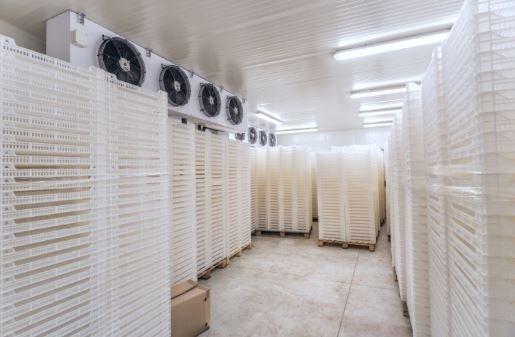
Cold rooms, often referred to as walk-in refrigerators, are an essential part of many commercial operations, particularly in hospitality, retail, food production and distribution. Designed to store large volumes of temperature-sensitive products, they provide reliable chilled or frozen storage that standard refrigeration simply can’t match.
Choosing the right cold room installation isn’t just about keeping food cold. Factors such as size, temperature range, energy efficiency and ventilation all play a role in performance, compliance and long-term running costs. Below, we outline what to look for in a cold room and the key considerations businesses should review before installing one.
Who needs a cold room?
Cold rooms are commonly used by restaurants, hotels, supermarkets, convenience stores, butchers, food manufacturers and distribution centres. They are ideal for businesses that require bulk storage, frequent stock rotation or strict temperature control to meet food safety regulations.
Choosing a cold room that matches your operational needs helps prevent product waste, improves workflow efficiency and supports compliance with food hygiene standards.
What to look for in a cold room?
Below are the key considerations when choosing a cold room.
What size cold room do you need?
When thinking about what to look for in a cold room, the first consideration should be the size of the cold room. It should be based on both your available space and your weekly product throughput. Consider how much chilled or frozen stock moves through your business, how long it needs to be stored and how often deliveries arrive.
Vertical space is just as important as floor area. If your premises have high ceilings, shelving and racking can significantly increase storage capacity without increasing the footprint. Planning for future growth at this stage can also help avoid costly upgrades later.
Choosing the right temperature range
Cold rooms generally operate at either chilled or sub-zero temperatures, depending on the products being stored.
- Chilled cold rooms (typically 0°C to 5°C) are suitable for fresh produce, dairy, meat and seafood
- Sub-zero cold rooms operate below freezing and are used for long-term storage of frozen goods
Businesses handling a variety of products may require separate cold rooms or a combination of cold storage and freezers. A professional assessment can help determine the most practical and cost-effective setup for your operation.
Food safety and compliance considerations
Maintaining consistent temperatures is critical for food safety and compliance with UK food hygiene regulations. Poor temperature control can lead to spoilage, contamination and costly stock losses.
A professionally designed cold room includes accurate temperature monitoring, reliable insulation and appropriate airflow to ensure products are stored safely and consistently at all times.
Power requirements and energy efficiency
Cold rooms require a reliable power supply to maintain stable internal temperatures. Many systems operate on three-phase (380–415V) electricity, which may not be available at all premises. This should be assessed early in the planning stage.
To reduce the risk of outages and protect stored products, cold rooms are often connected to dedicated circuits. Modern systems can also be designed with energy-efficient components that reduce running costs while maintaining performance.
Why ventilation matters in cold rooms
Proper ventilation is essential for maintaining product quality and preventing odours from developing inside a cold room. Without adequate airflow, moisture and smells can build up, potentially affecting all stored items.
Effective ventilation systems remove stale air and help maintain consistent conditions throughout the space, improving food quality, shelf life and overall hygiene.
Choosing a cold room: Frequently Asked Questions
Can a cold room be installed in an existing building?
Yes. Cold rooms can be designed to fit within existing premises, subject to space, power supply and ventilation requirements.
Are cold rooms expensive to run?
Running costs depend on insulation quality, usage patterns and system efficiency. Modern cold rooms are designed to minimise energy consumption.
Can cold rooms be customised?
Absolutely. Size, temperature range, shelving and access options can all be tailored to suit your business.
Expert cold room installation
Pinder Cooling specialises in the design and installation of commercial cold rooms tailored to your business requirements. From restaurants and retailers to large-scale food operations, our team delivers reliable, compliant and energy-efficient cold storage solutions.
To discuss your project or arrange a site survey, contact us today to speak with one of our experienced engineers about cold room installation and cold storage.
About Pinder Cooling
Pinder Cooling provides commercial air conditioning and commercial refrigeration installation and maintenance services to clients across the North of England, including Leeds, Manchester, Wakefield, Liverpool, Sheffield and Hull.